

Introduction
The Mother of Thousands is one of the most fascinating succulents you can grow. Known for its remarkable ability to produce tiny plantlets along the edges of its leaves, this plant has earned a reputation as one of nature’s most efficient self-propagators. Whether you’re an experienced gardener or someone just starting with houseplants, Mother of Thousands is guaranteed to grab your attention with its unusual appearance and impressive reproductive strategy.
Native to Madagascar, this succulent belongs to the Kalanchoe genus and has adapted to thrive in warm, dry climates. Over the years, it has become a popular ornamental plant in homes and gardens around the world because of its unique look and low-maintenance nature. However, despite its beauty, it comes with a few important considerations, including its rapid spread and toxicity.
In this comprehensive guide, you’ll learn everything you need to know about Mother of Thousands—from its origins and appearance to care tips, propagation methods, common problems, and safety precautions. By the end of this article, you’ll have all the knowledge needed to successfully grow and enjoy this extraordinary succulent.
What Is Mother of Thousands?
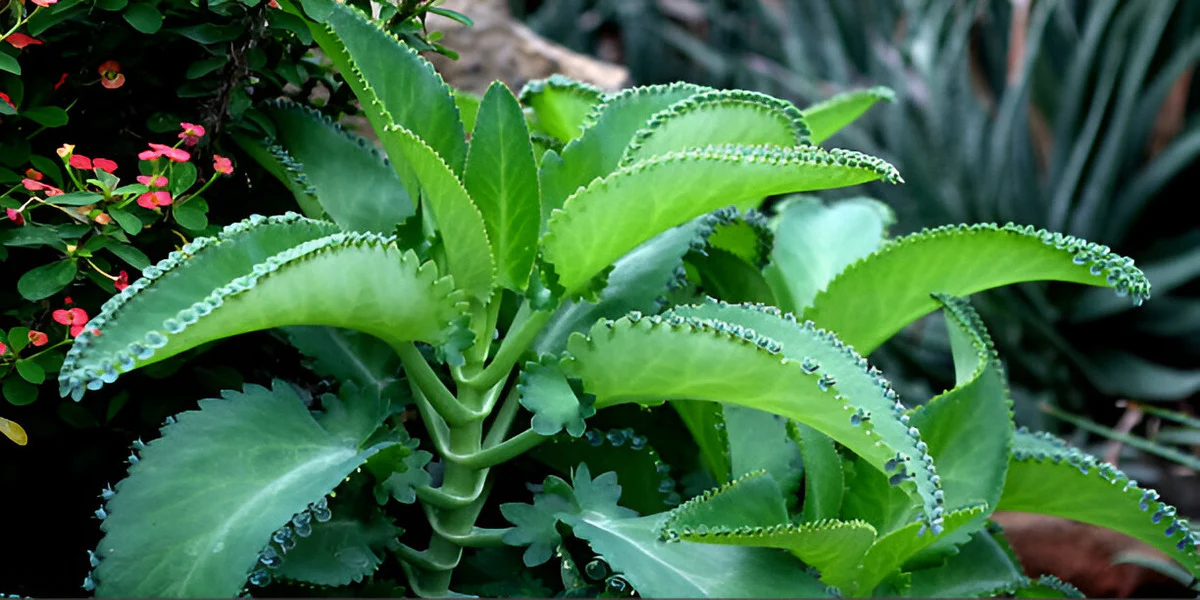
Mother of Thousands is a succulent scientifically known as Kalanchoe daigremontiana. It belongs to the Crassulaceae family, a group of plants famous for storing water in their thick, fleshy leaves. Its most recognizable feature is the rows of tiny baby plants, called plantlets, that develop along the leaf margins.
These miniature plantlets already have tiny roots before they even detach from the parent plant. Once they fall onto suitable soil, they begin growing almost immediately. This incredible reproductive ability is the reason behind the plant’s common name and why it spreads so quickly in favorable environments.
The plant itself usually grows upright with broad, triangular green leaves that often display purple or brown spots. Under ideal conditions, Mother of Thousands can reach heights of 2 to 5 feet. Mature plants may also produce tall flower stalks with hanging tubular flowers, although flowering is relatively uncommon when grown indoors.
Why Is It Called Mother of Thousands?

The name Mother of Thousands perfectly describes the plant’s extraordinary reproductive habit. Instead of relying solely on seeds, this succulent continuously creates dozens—or even hundreds—of tiny plantlets along every leaf edge. Each one has the potential to become a fully mature plant.
As the plantlets mature, they naturally detach from the leaves and fall onto the surrounding soil. Thanks to their pre-developed roots, they establish themselves quickly with minimal effort. A single healthy Mother of Thousands plant can produce countless offspring throughout the year.
This impressive propagation strategy allows the plant to colonize areas rapidly. While this makes it exciting for gardeners interested in propagation, it can also become invasive in frost-free climates where the plant spreads uncontrollably.
Natural Habitat and Growing Conditions
Mother of Thousands originates from Madagascar, where it thrives in rocky landscapes, dry soils, and warm temperatures. Like many succulents, it has evolved to store water in its leaves, allowing it to survive long periods without rainfall.
The plant prefers bright sunlight and performs best in temperatures ranging between 65°F and 85°F (18°C to 29°C). It dislikes freezing weather and may suffer permanent damage if exposed to frost for extended periods.
In many tropical and subtropical regions, Mother of Thousands has escaped cultivation and established itself in the wild. Because of its rapid reproduction, it is considered invasive in several countries where it competes with native vegetation.
How to Care for Mother of Thousands
Caring for Mother of Thousands is relatively simple, making it an excellent choice for beginners. Since it is a succulent, the biggest mistake people make is overwatering. Allow the soil to dry completely before watering again, as constantly wet soil can cause root rot.
Choose a well-draining cactus or succulent soil mix. If you’re preparing your own mix, combine regular potting soil with coarse sand or perlite to improve drainage. A pot with drainage holes is essential to prevent excess moisture from accumulating around the roots.
Place the plant near a sunny window where it receives at least six hours of bright, indirect or direct sunlight each day. If grown outdoors, partial afternoon shade may be beneficial in extremely hot climates to prevent leaf scorching during peak summer temperatures.
Watering and Fertilizing Tips
Mother of Thousands follows the same watering principles as most succulents. Water deeply, then allow the soil to dry thoroughly before watering again. During winter, when growth slows, reduce watering significantly.
Overwatering is far more dangerous than underwatering. Signs of excessive moisture include yellow leaves, soft stems, and root rot. On the other hand, slightly wrinkled leaves usually indicate the plant needs water.
Fertilizing isn’t necessary very often. A balanced succulent fertilizer applied once every month during spring and summer is usually sufficient. Avoid excessive fertilizer because rapid growth can make the plant weaker and more susceptible to disease.
How Mother of Thousands Reproduces
Propagation is where Mother of Thousands truly stands out. Each tiny plantlet contains everything needed to become an independent plant. Once detached, it requires only contact with soil to begin rooting.
Gardeners can easily collect fallen plantlets and place them on moist succulent soil. Within days, small roots begin anchoring into the soil, and new growth follows shortly afterward. This makes propagation incredibly simple compared to many other houseplants.
The plant can also be propagated through stem cuttings, although this method is less common because the naturally produced plantlets are already highly efficient. Either way, successful propagation requires warm temperatures, bright light, and well-draining soil.
Common Problems and How to Solve Them
Although Mother of Thousands is generally hardy, it isn’t completely free from problems. Overwatering remains the most common issue and often leads to fungal infections or root rot. Improving drainage and reducing watering usually resolves the problem before permanent damage occurs.
Like many succulents, it may occasionally attract pests such as mealybugs, aphids, or spider mites. These insects feed on the plant’s sap and can weaken overall growth if left untreated. Regular inspections and prompt treatment with insecticidal soap or neem oil are usually effective.
Insufficient sunlight can also cause stretching, known as etiolation. When the plant doesn’t receive enough light, it grows tall and weak while producing fewer plantlets. Moving it to a brighter location typically restores healthier growth over time.
Is Mother of Thousands Toxic?
One important fact every plant owner should know is that Mother of Thousands is toxic. The plant contains compounds called cardiac glycosides, which can be harmful if consumed by humans, cats, dogs, livestock, or other animals.
Symptoms of poisoning may include vomiting, diarrhea, drooling, irregular heartbeat, weakness, and in severe cases, serious medical complications. Because of this, the plant should always be kept out of reach of curious children and pets.
Gardeners who handle the plant regularly generally experience no problems, but wearing gloves during pruning or repotting is still a good precaution, especially for individuals with sensitive skin.
Landscaping and Indoor Decoration
Mother of Thousands makes an excellent conversation piece because of its unusual appearance. Indoors, it looks attractive in decorative succulent pots placed near bright windows or on sunny shelves where its unique leaf edges can be appreciated up close.
Outdoors, it works well in rock gardens, xeriscapes, and drought-tolerant landscapes. However, gardeners should monitor its spread carefully since the falling plantlets can quickly establish themselves in nearby pots or garden beds.
Because of its upright growth habit and dramatic foliage, it pairs nicely with other succulents such as aloe, echeveria, jade plants, and haworthia, creating visually appealing succulent arrangements.
Benefits of Growing Mother of Thousands
One of the greatest advantages of Mother of Thousands is its incredibly low maintenance. It requires very little watering, adapts well to indoor conditions, and tolerates occasional neglect better than many common houseplants.
Its remarkable propagation ability also makes it an excellent educational plant. Children and beginner gardeners often enjoy observing how tiny plantlets develop and eventually become mature plants, providing a fascinating lesson about plant reproduction.
Additionally, its architectural shape and striking foliage add visual interest to homes, offices, balconies, and succulent collections. It is both decorative and highly unique compared to more traditional houseplants.
Interesting Facts About Mother of Thousands
Mother of Thousands belongs to a fascinating group of plants capable of producing clones directly from their leaves. This rare reproductive strategy allows it to multiply much faster than many flowering plants.
Although often confused with Mother of Millions, the two plants are different species. Mother of Millions typically produces narrower leaves and forms plantlets only at the leaf tips, while Mother of Thousands develops plantlets along the entire leaf margin.
Despite being prized by collectors, the plant has become invasive in several warm regions due to its extraordinary reproductive success. Responsible cultivation helps prevent accidental spread into natural ecosystems.
Conclusion
Mother of Thousands is one of the most extraordinary succulents available to gardeners today. Its ability to create countless tiny plantlets, combined with its striking appearance and minimal care requirements, makes it a favorite among succulent enthusiasts worldwide.
While it is easy to grow, responsible ownership is important because of its invasive potential and toxicity to pets and humans. Providing bright light, well-draining soil, careful watering, and occasional maintenance will keep the plant healthy for many years.
Whether you’re looking to expand your succulent collection, learn about unusual plant reproduction, or simply enjoy a low-maintenance houseplant with plenty of personality, Mother of Thousands is an excellent choice. With proper care and attention, this remarkable succulent will continue producing generations of new plants while serving as one of the most interesting additions to any home or garden.

