


Introduction
The phrase Isotonix Lawsuit has become a popular search term as more consumers look for reliable information about the legal matters connected to the Isotonix brand. With dietary supplements becoming increasingly popular worldwide, customers are paying closer attention not only to product quality but also to the companies behind those products. Whenever a lawsuit involving a supplement brand appears in the news, it naturally raises questions about safety, marketing practices, and consumer trust.
Isotonix is a line of nutritional supplements marketed by Market America. The products are known for their isotonic delivery system, which is promoted as helping the body absorb nutrients more efficiently. Over the years, the brand has built a loyal customer base through direct selling and online distribution. However, like many companies operating in the health supplement industry, it has also faced legal scrutiny.
This article explores the Isotonix lawsuit in detail, including what led to legal concerns, what consumers should know, how lawsuits affect supplement companies, and what lessons buyers can take from these situations. The goal is to provide a balanced and informative overview based on publicly available information while separating facts from speculation.
Understanding the Isotonix Brand
Isotonix Lawsuit is a nutritional supplement line developed by Market America, a company that has operated in the health and wellness industry for decades. The products include vitamins, minerals, antioxidants, digestive support supplements, and various wellness formulas designed to support overall health.
One of the brand’s primary marketing features is its isotonic formulation. According to the company, this technology allows nutrients to be delivered in a solution with the same osmotic pressure as body fluids, potentially improving nutrient absorption. This concept has become one of the major selling points of Isotonix products and distinguishes the brand from traditional capsules or tablets.
The supplements are mainly sold through Market America’s independent distributors using a multi-level marketing (MLM) business model. This distribution strategy has contributed to both the company’s growth and, at times, public criticism. MLM companies often receive increased legal attention because regulators carefully examine their marketing practices and compensation structures.
What Is the Isotonix Lawsuit About?
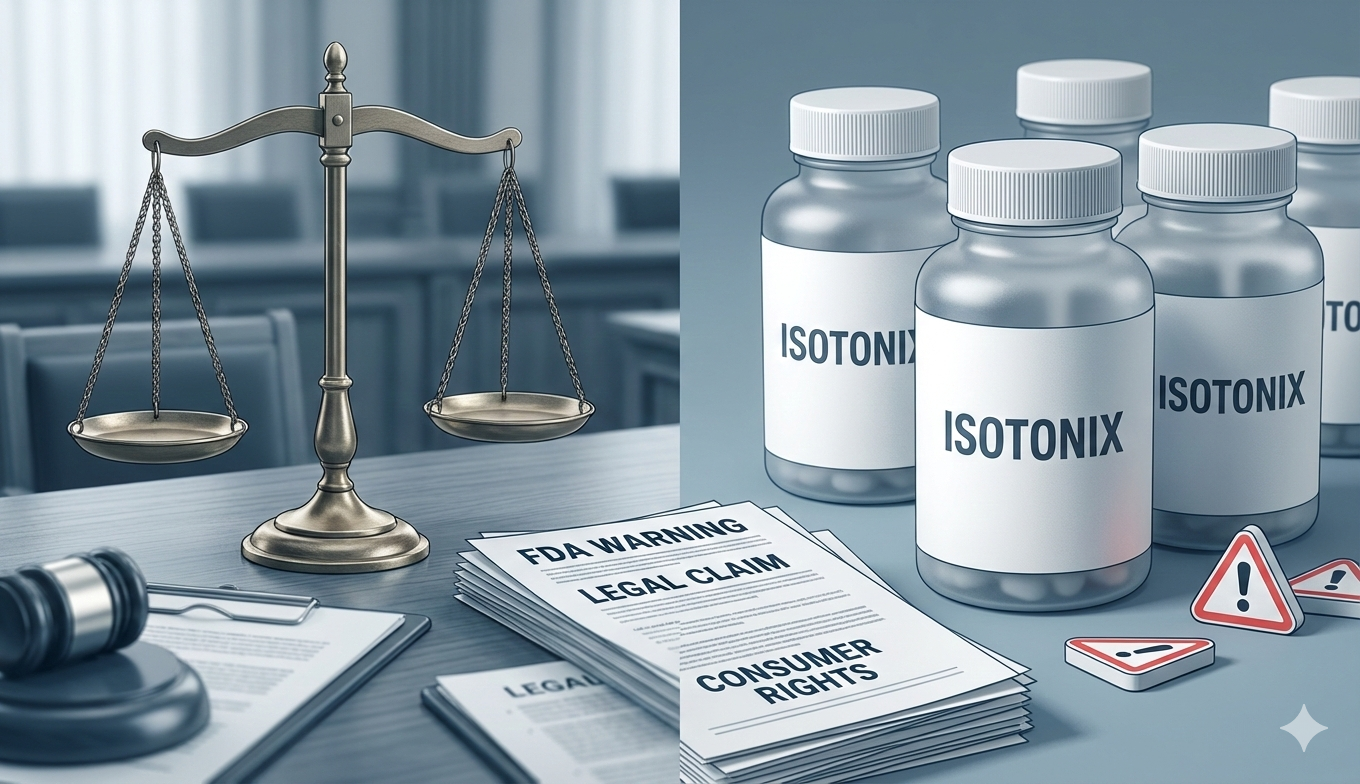
When people search for the Isotonix Lawsuit they are often referring to legal issues involving Market America rather than the Isotonix products alone. It is important to distinguish between lawsuits directly targeting product safety and broader legal matters involving the company’s business operations.
Several legal disputes involving Market America have focused on allegations related to advertising, income representations, and business practices rather than proving that Isotonix supplements themselves were unsafe. Like many companies in the direct-selling industry, Market America has faced lawsuits and regulatory attention over how its business opportunity and product claims were presented.
In many instances, Isotonix Lawsuit involve allegations rather than confirmed wrongdoing. Courts examine evidence presented by both parties before reaching conclusions. Therefore, consumers should avoid assuming that every lawsuit automatically means a company or product has been proven guilty of misconduct.
Why Supplement Companies Frequently Face Lawsuits
The dietary supplement industry is highly competitive and heavily regulated. Companies are expected to comply with advertising laws, labeling requirements, manufacturing standards, and consumer protection regulations. Even well-established brands may become involved in legal disputes.
One common reason for Isotonix Lawsuit is health-related advertising. Supplement manufacturers must be careful not to make claims suggesting that their products diagnose, treat, cure, or prevent diseases unless approved under applicable regulations. Regulators monitor promotional materials closely to ensure companies remain compliant.
Another frequent issue involves consumer expectations. If marketing materials appear to promise unrealistic health benefits, disappointed customers may pursue legal action. In many cases, lawsuits center on advertising language rather than product ingredients themselves.
Business models can also become legal topics. Companies operating through multi-level marketing structures sometimes face lawsuits concerning distributor compensation plans, recruiting practices, or income disclosures. These cases often attract significant media attention because they affect large distributor networks.
Did the Isotonix Lawsuit Involve Product Safety?
One of the biggest concerns among consumers is whether the Isotonix Lawsuit suggests that Isotonix supplements are dangerous. Based on publicly available information, many legal discussions involving Market America have focused more on business practices than on widespread findings that Isotonix products posed serious safety risks.
That distinction is extremely important. A lawsuit involving advertising, distributor practices, or marketing claims is very different from one involving contamination, undisclosed ingredients, or manufacturing defects. Consumers should always understand exactly what legal claims are being made before drawing conclusions.
Like other dietary supplements sold in the United States, Isotonix products are expected to be manufactured according to applicable quality standards. Companies are also responsible for ensuring that product labels accurately represent ingredients and recommended usage. Regulatory agencies continue to monitor the supplement industry to help maintain consumer safety.
Consumer Concerns Surrounding the Isotonix Lawsuit
Whenever news of a Isotonix Lawsuit becomes public, consumers naturally begin asking questions. Many people wonder whether they should continue using the product, whether refunds are available, or whether the lawsuit indicates a larger issue.
In reality, lawsuits vary greatly in seriousness. Some cases are settled without admissions of wrongdoing, while others may be dismissed altogether. A lawsuit should not automatically be interpreted as evidence that every product sold by a company is ineffective or unsafe.
Consumers should instead focus on reliable information from trusted sources, including healthcare professionals, official company statements, and regulatory agencies. Reading the actual legal filings rather than relying solely on social media discussions often provides a much clearer understanding of the issues involved.
The Role of Marketing Claims in Supplement Lawsuits
Marketing is one of the most closely watched aspects of the supplement industry. Companies naturally want to highlight the benefits of their products, but they must also ensure their advertising remains truthful and supported by evidence.
Regulatory agencies generally prohibit supplement companies from making claims that resemble drug claims without appropriate approval. Statements suggesting that a supplement cures diseases or replaces medical treatment can quickly become legal concerns if not properly substantiated.
This is why companies often include disclaimers explaining that their products are not intended to diagnose, treat, cure, or prevent any disease. These disclaimers help clarify the intended purpose of dietary supplements while reminding consumers to consult healthcare professionals regarding medical conditions.
What Consumers Should Consider Before Buying Supplements
The Isotonix lawsuit serves as a useful reminder that consumers should research any supplement before making a purchase. While lawsuits may generate headlines, buyers should evaluate products using multiple sources of information rather than relying on a single news story.
Reading ingredient labels is an excellent starting point. Understanding what each ingredient does, recommended dosages, and possible interactions with medications can help consumers make informed decisions. Healthcare providers and registered dietitians can also offer personalized guidance.
It is equally important to maintain realistic expectations. No dietary supplement can replace a healthy lifestyle that includes balanced nutrition, regular exercise, sufficient sleep, and routine medical care. Supplements are designed to support health—not serve as miracle solutions.
Lessons the Isotonix Lawsuit Teaches About the Supplement Industry
The legal attention surrounding Isotonix Lawsuit and Market America highlights several important lessons for both companies and consumers. Transparency has become increasingly valuable as customers demand accurate information about products, ingredients, and business practices.
Companies benefit from ensuring their marketing materials are scientifically supported, legally compliant, and easy for consumers to understand. Honest communication builds long-term trust and reduces the likelihood of legal disputes arising from misunderstood claims.
Consumers, meanwhile, should develop healthy skepticism without assuming the worst. Evaluating credible research, checking independent reviews, consulting healthcare professionals, and understanding regulatory requirements all contribute to smarter purchasing decisions.
Frequently Asked Questions About the Isotonix Lawsuit
Was Isotonix Lawsuit recalled because of the lawsuit?
There is no broad evidence that the legal matters commonly associated with the Isotonix lawsuit resulted in a general product recall. Consumers should always verify any recall information through official regulatory announcements.
Is it safe to use Isotonix supplements?
Most healthy adults should discuss any dietary supplement with their healthcare provider before use, especially if they have existing medical conditions, are pregnant, or take prescription medications. Individual health circumstances vary significantly.
Did the lawsuit prove fraud?
Not necessarily. A lawsuit contains allegations that must be evaluated through legal proceedings. Many cases are settled, dismissed, or resolved without a finding of fraud or wrongdoing.
Should consumers stop buying Isotonix?
That decision depends on individual preferences, medical advice, and personal research. Consumers should review ingredient information, consult healthcare professionals, and stay informed through credible sources before making purchasing decisions.
Conclusion
The Isotonix lawsuit has attracted attention because it combines two subjects that consumers care deeply about: health supplements and corporate accountability. While legal disputes naturally create concern, it is important to understand the specific allegations involved rather than assuming every lawsuit reflects unsafe products.
Many of the discussions surrounding Market America have focused on marketing practices and business operations rather than definitive findings that Isotonix supplements themselves were harmful. As with any legal matter, allegations should be distinguished from proven facts, and consumers should rely on credible information instead of rumors circulating online.
Ultimately, informed consumers make better decisions. Whether considering Isotonix or any other dietary supplement, researching ingredients, understanding marketing claims, consulting healthcare professionals, and following evidence-based guidance remain the best ways to protect both health and financial well-being. By approaching supplement purchases thoughtfully, consumers can confidently choose products that align with their individual wellness goals while staying aware of important legal developments within the industry.

