

Introduction
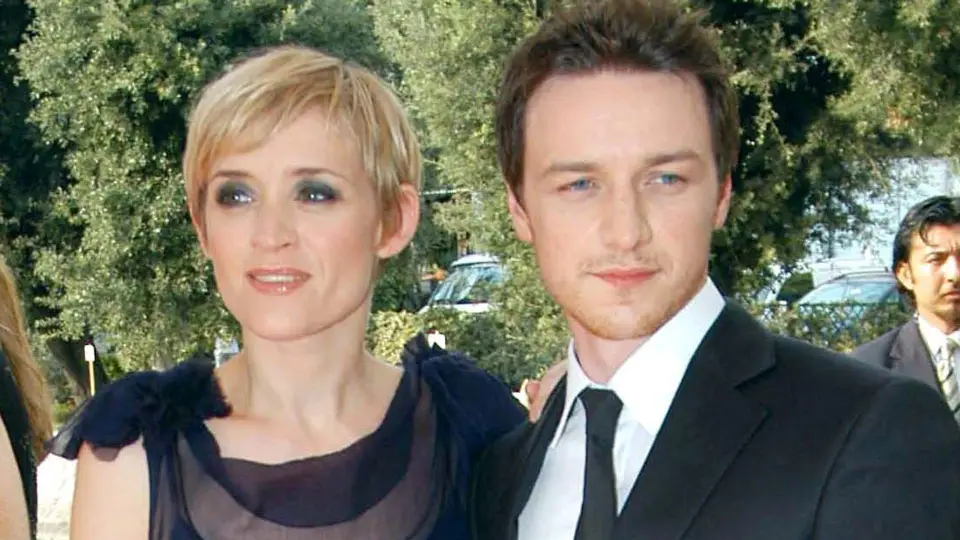
Anne-Marie Duff is a respected British actress known for her powerful performances in television, film, and theatre. With a career built on talent, dedication, and emotional depth, she has earned a reputation as one of the most versatile performers in the British entertainment industry. Whether portraying a complex historical figure, a troubled mother, or a character navigating difficult personal circumstances, Anne-Marie Duff brings authenticity and intelligence to her roles.
Unlike celebrities who rely heavily on publicity and social media attention, Anne-Marie Duff has generally maintained a relatively private personal life. Her professional choices reflect a preference for challenging scripts and meaningful characters rather than simply pursuing fame. This approach has allowed her to build a career that appeals to audiences who appreciate thoughtful storytelling and convincing performances.
From her early beginnings in London to acclaimed roles in productions such as Shameless, The Virgin Queen, and Suffragette, Duff has demonstrated remarkable range. Her work across different formats has helped establish her as a prominent figure in British acting. This article explores her background, education, career milestones, notable performances, personal life, and lasting contribution to the entertainment industry.
Who Is Anne-Marie Duff?
Anne-Marie Duff was born on 8 October 1970 in Chiswick, West London, England. She grew up in a working-class family and developed an interest in performance while she was young. Her background helped shape her understanding of everyday people, relationships, and the social circumstances that often influence human behaviour.
Anne-Marie Duff did not become famous overnight. Like many successful actors, she spent years learning her craft, performing in different settings, and developing the confidence required to work professionally. Her early experiences helped her understand the importance of preparation, discipline, and collaboration, all of which became essential elements of her acting career.
Today, Anne-Marie Duffis recognised for her ability to portray characters with emotional complexity. She often brings a sense of realism to her performances, making fictional people feel believable and relatable. Her career demonstrates that long-term success in acting can come from consistent work, thoughtful role selection, and a genuine commitment to storytelling.
Early Life and Family Background

Growing up in Chiswick, Anne-Marie Duff experienced life outside the glamour commonly associated with the entertainment business. Her upbringing provided a foundation for the grounded performances that later became one of her professional strengths. Although she has spoken publicly about aspects of her life and career, she generally keeps private family matters away from unnecessary media attention.
Her early interest in acting developed gradually. Rather than immediately entering the public spotlight, she explored performance and worked to discover whether it could become a serious profession. This process helped her develop a realistic understanding of the challenges involved in pursuing an artistic career.
Anne-Marie Duff background is relevant to understanding her acting style because she frequently portrays ordinary people facing extraordinary emotional situations. Her performances often avoid exaggeration, relying instead on subtle expressions, natural dialogue, and carefully observed behaviour. These qualities make her characters convincing even when their circumstances are dramatic.
Education and Acting Training
Anne-Marie Duff attended the Drama Centre London, a respected institution known for intensive actor training. Her education provided an opportunity to develop the technical skills required for professional performance, including character interpretation, voice, movement, and emotional expression.
Formal training can be especially important for actors who want to move between theatre, television, and film. Each medium presents different challenges. Theatre performers must communicate effectively with a live audience, while screen actors often rely on smaller gestures and subtle facial expressions. Anne-Marie Duff later career showed that she could adapt to these different demands.
Her training also helped establish the discipline required to prepare for demanding roles. Understanding a character involves more than memorising lines; it requires analysing motivations, relationships, circumstances, and emotional changes. Anne-Marie Duff performances frequently demonstrate this detailed approach, allowing her to create characters who feel fully developed rather than merely serving the needs of a plot.
Anne-Marie Anne-Marie Duff Acting Career
Anne-Marie Duff career developed through a combination of stage work and screen appearances. Early professional opportunities allowed her to gain experience and demonstrate her ability to handle a range of material. Each new role contributed to her understanding of the industry and helped her establish a reputation among casting professionals and fellow performers.
Her progress reflects the importance of consistency in acting. Many performers experience periods when opportunities are limited or when their work receives little public attention. Building a lasting career requires patience, professional relationships, and a willingness to take on roles that encourage artistic growth. Anne-Marie Duff career illustrates how these elements can work together over time.
As her experience increased, she began receiving more prominent opportunities in television and film. Her ability to communicate complicated emotions without making performances feel artificial became a defining characteristic. Instead of approaching every character in the same way, she adjusts her performance to the personality, background, and circumstances of the person she is portraying.
Breakthrough Role in Shameless
One of Anne-Marie Duff best-known early television roles was Fiona Gallagher in the original British version of Shameless. The series, created by Paul Abbott, focused on the Gallagher family and their difficult circumstances in a fictional working-class community in Manchester.
Fiona was an especially demanding character because she carried significant family responsibilities while trying to establish an independent life. She was resourceful and determined, but she also faced frustration, emotional exhaustion, and difficult decisions. Duff’s performance captured these contradictions, allowing viewers to understand both Fiona’s strength and her vulnerability.
The role helped introduce Duff to a wider television audience. Her portrayal contributed to the emotional foundation of the series, demonstrating how a character can be compelling without being perfect. Fiona’s struggles reflected themes of family loyalty, poverty, responsibility, and personal ambition, giving Duff an opportunity to showcase the realism that became central to her screen work.
Historical Television Performances
Anne-Marie Duff also earned recognition for her work in historical television dramas. One notable example was The Virgin Queen, the 2005 BBC miniseries in which she portrayed Elizabeth I. The production explored the life and reign of the English monarch, presenting the political pressures and personal conflicts surrounding her position.
Playing Elizabeth I required Duff to portray a figure whose public authority often conflicted with private vulnerability. Historical characters can be challenging because audiences already have ideas about their personalities and importance. An effective performance must communicate the historical setting while making the character emotionally understandable to modern viewers.
Anne-Marie Duff work in historical drama demonstrates her ability to move beyond contemporary characters and inhabit very different worlds. Period productions demand careful attention to language, costume, physical behaviour, and social expectations. Her performance helped illustrate the complexity of a monarch whose decisions influenced the political and cultural history of England.
Film Career and Major Projects
Alongside television, Anne-Marie Duff has developed a substantial film career. She has appeared in productions that explore personal relationships, social issues, historical events, and difficult moral choices. Her screen presence allows her to contribute meaningfully to stories of different sizes, from intimate character studies to larger historical productions.
One important film appearance was in Nowhere Boy (2009), a biographical drama about the teenage years of musician John Lennon. Duff played Julia Lennon, John’s mother. The role required her to explore a complicated family relationship, balancing affection, personal difficulties, and the emotional consequences of separation.
Anne-Marie Duff also appeared in Suffragette (2015), a historical drama about the women’s suffrage movement in Britain. The film examined the struggles of women who campaigned for voting rights and the personal sacrifices associated with political activism. Her involvement in projects of this kind reflects her interest in stories that connect individual experiences with wider social changes.
Theatre Work and Stage Performances
Theatre has remained an important part of Duff’s professional identity. Unlike film and television, live performance requires actors to sustain a character in real time while responding to the energy of an audience and the rhythm of fellow performers. The experience can be demanding, but it also offers opportunities for artistic experimentation and immediate connection.
Anne-Marie Duff stage work has demonstrated her ability to handle dialogue-heavy material and emotionally challenging roles. Theatre often requires performers to explore the motivations behind every line, gesture, and pause. These demands suit an actor who values character development and careful interpretation.
Her continued involvement in stage productions also reflects the breadth of her interests. Actors who move between theatre and screen can develop complementary skills: stage work encourages vocal control and sustained concentration, while film offers opportunities for more intimate, understated performances. Duff’s career benefits from experience in both environments.
Awards, Recognition, and Professional Reputation
Anne-Marie Duff has received significant professional recognition for her acting. Her achievements include a BAFTA TV Award for Best Actress in 2007 for Shameless, an honour that reflected the strength of her performance and the impact of the series. Recognition from established industry organisations can help draw attention to an actor’s work, particularly when a role requires substantial emotional range.
Awards, however, are only one way to measure an acting career. Some performances become memorable because of their influence on audiences, while others demonstrate an actor’s willingness to take creative risks. Duff’s body of work includes characters that are very different from one another, highlighting her adaptability and commitment to her profession.
Her reputation is also shaped by her approach to acting. She is frequently associated with serious dramatic roles that require close attention to character psychology and human relationships. Rather than relying on a single type of performance, she has continued to explore new material and work across different genres.
Personal Life and Marriage
Anne-Marie Duff was married to Scottish actor James McAvoy. The couple married in 2006 after working together on Shameless, where their professional connection developed into a personal relationship. Their marriage attracted public interest because both were established actors working in the British entertainment industry.
Anne-Marie Duff and McAvoy have one son together. They generally sought to protect their child’s privacy, keeping family life separate from much of their public professional activity. This decision reflects a common concern among public figures who want their children to have a relatively normal upbringing despite media attention.
In 2016, the couple announced that they were separating. Their decision received considerable coverage, but both maintained a relatively measured public approach to the situation. The end of a high-profile marriage can attract speculation, yet it is important to respect the privacy of the people involved and avoid treating unverified claims as facts.
Anne-Marie Duff as a Mother
Motherhood is a part of Anne-Marie Duff personal life, although she has generally avoided making her family the centre of her public identity. Like many working parents, she has had to balance professional responsibilities with the demands of raising a child. Acting schedules can involve long filming days, rehearsals, travel, and periods away from home, making that balance particularly challenging.
Her preference for privacy means that relatively little should be assumed about the details of her parenting. Public curiosity does not necessarily provide a complete picture of someone’s home life, and Duff has largely kept such matters away from public discussion.
Maintaining boundaries between family and professional life can be important for anyone working in a public-facing career. For actors, it can also protect children from unwanted attention and allow family relationships to develop outside the expectations of celebrity culture.
Acting Style and What Makes Her Unique
One of Anne-Marie Duff strongest qualities is her ability to portray emotional complexity. Her characters can be loving and frustrating, confident and uncertain, or determined while still being vulnerable. This combination makes them feel human rather than designed around a simple set of personality traits.
She also demonstrates an ability to communicate emotion through restraint. Not every dramatic moment requires raised voices or exaggerated gestures. Sometimes a pause, a change in expression, or a carefully delivered line can communicate more than an extended speech. Duff’s work often benefits from this understated approach.
Another strength is her versatility. She has played contemporary characters, historical figures, mothers, and women facing social or personal challenges. Moving between these roles requires research, imagination, and a willingness to approach each character as an individual. Her range has helped her maintain a varied career across different types of productions.
Anne-Marie Duff’s Influence on British Entertainment
Anne-Marie Duff career offers an example of how British actors can build lasting professional reputations through a combination of television, film, and theatre. The British entertainment industry has a strong tradition of performers moving between these formats, and Duff has made effective use of that flexibility.
Her work in Shameless helped establish her as a memorable television actress, while her historical dramas and film roles demonstrated that she could handle very different stories. This variety is important in an industry where actors are sometimes closely associated with one famous character and find it difficult to move beyond that image.
Duff’s contribution also lies in the kinds of stories she helps bring to the screen. Many of her roles explore family relationships, social inequality, political change, and the private struggles that exist behind public appearances. By approaching these subjects through believable characters, she helps make broader themes more accessible to audiences.
Recent Work and Continuing Career
Anne-Marie Duff has continued to work across television, film, and theatre, maintaining a presence in British drama. Her later screen credits include the television series Bad Sisters and The Salisbury Poisonings, projects that demonstrate her continued interest in stories built around complex relationships and serious dramatic circumstances.
Her participation in different productions reflects an approach based on the quality of the material rather than a commitment to one format. Television offers room for long character arcs, films can concentrate on a specific emotional journey, and theatre allows actors to explore a role through sustained live performance. Each medium offers different opportunities for growth.
As her career continues, audiences can reasonably expect Anne-Marie Duff to remain associated with carefully chosen dramatic work. Specific future projects and release dates should be checked against official announcements, but her established record demonstrates an ongoing commitment to challenging roles and professional development.
Conclusion
Anne-Marie Duff has built an impressive career through talent, formal training, and a consistent commitment to thoughtful acting. From her breakthrough as Fiona Gallagher in Shameless to her historical television performances and film appearances, she has shown an ability to portray people whose lives are shaped by difficult choices, complicated relationships, and changing circumstances.
Her work across television, film, and theatre demonstrates a versatility that extends beyond any single role. She has earned professional recognition while maintaining a relatively private personal life, allowing her performances to remain the main focus of public attention.
Ultimately, Anne-Marie Duff story is one of sustained artistic development rather than overnight celebrity. Her career highlights the importance of discipline, emotional understanding, and choosing roles that offer something meaningful to explore. For viewers who appreciate intelligent, realistic drama, she remains an important and respected figure in British entertainment.

