

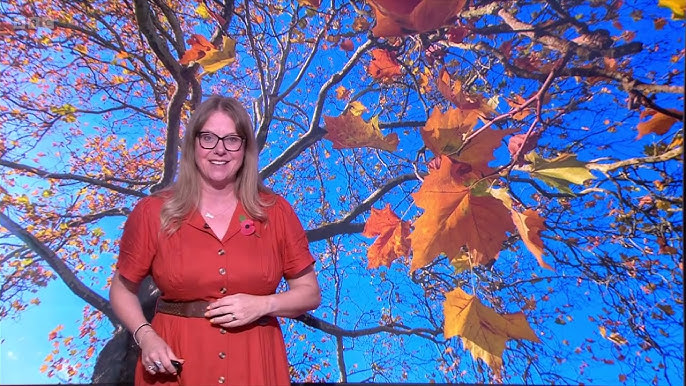
Kate Kinsella Weather forecasting has become much more than simply reading temperatures from a screen. Modern meteorologists combine science, technology, communication skills, and years of experience to help people prepare for changing conditions. One name that has attracted attention among weather enthusiasts is Kate Kinsella. Many people search for “Kate Kinsella weather” to learn more about her career, her approach to forecasting, and what makes her reports stand out.
Whether you’re interested in meteorology or simply enjoy watching reliable weather updates, understanding the work behind a forecast gives you a greater appreciation for the profession. Weather presenters don’t just report information—they interpret complex data, explain changing weather patterns, and make technical information easy for viewers to understand.
In this article, we’ll explore Kate Kinsella Weather connection to weather broadcasting, discuss the skills required to become a successful meteorologist, examine the importance of accurate forecasting, and explain why trusted weather professionals continue to play an important role in everyday life.
Who Is Kate Kinsella Weather?
Kate Kinsella Weather is recognized by many viewers as a weather broadcaster who delivers forecasts in a calm, professional, and informative manner. Like many modern weather presenters, she combines scientific knowledge with excellent communication skills, helping audiences understand everything from daily temperatures to severe weather alerts.
Weather broadcasting requires much more preparation than most viewers realize. Before appearing on television, meteorologists spend hours analyzing satellite imagery, radar data, weather models, atmospheric pressure systems, and local conditions. Their goal is to present accurate information in a way that everyone can understand.
Kate Kinsella Weather presentations have earned attention because of their clear explanations and approachable style. Instead of overwhelming viewers with technical terminology, she focuses on practical information that helps people make decisions about travel, outdoor activities, commuting, and safety.
Kate Kinsella Weather Approach to Weather Reporting
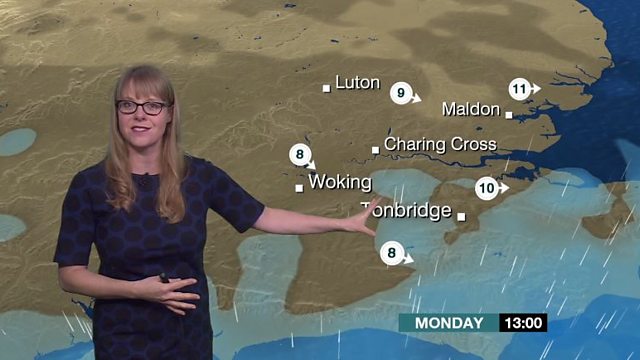
One of the reasons people search for “Kate Kinsella Weather” is because viewers appreciate forecasts that feel informative without being overly complicated. Good weather reporting balances scientific accuracy with simple language, making forecasts useful for audiences of all backgrounds.
Effective meteorologists explain not only what the weather will be but also why conditions are changing. Understanding cold fronts, warm fronts, pressure systems, and moisture levels allows viewers to better understand weather patterns rather than simply memorizing temperatures.
Kate Kinsella Weather presentation style reflects this educational approach. Rather than rushing through forecasts, she emphasizes clarity, helping viewers understand expected weather conditions and any potential impacts they may have throughout the day.
Why Accurate Weather Forecasts Matter
Weather affects nearly every aspect of daily life. From planning weekend trips to preparing for storms, reliable forecasts help people stay informed and safe. This is why professional meteorologists remain trusted sources of information despite the availability of countless weather apps.
Businesses also depend heavily on weather forecasts. Agriculture, aviation, shipping, construction, tourism, and event planning all rely on accurate predictions to reduce risk and improve decision-making. Even small temperature differences can influence operations in these industries.
For everyday families, weather forecasts help determine clothing choices, school schedules, travel plans, and outdoor activities. During severe weather events, timely updates can protect lives by encouraging people to prepare before dangerous conditions arrive.
Skills Required to Become a Successful Weather Broadcaster
Many people assume that television weather presenters simply read information generated by computers. In reality, professional meteorologists possess extensive scientific training and analytical skills that allow them to interpret changing atmospheric conditions.
Meteorologists study subjects such as atmospheric science, mathematics, climatology, physics, and computer modeling. These disciplines help them understand how weather systems develop and why forecasts sometimes change as new data becomes available.
Communication is equally important. Even the most accurate forecast loses value if viewers cannot understand it. Successful broadcasters like Kate Kinsella Weather present complicated information using clear explanations, engaging visuals, and language that makes sense to everyday audiences.
Technology Behind Modern Weather Forecasting
Weather forecasting has improved dramatically over the past few decades thanks to advances in technology. Meteorologists now have access to satellites, Doppler radar, weather balloons, aircraft observations, ocean buoys, and sophisticated computer models.
Satellite imagery provides real-time views of cloud formations and storm development across large geographic regions. Radar systems monitor rainfall intensity, storm movement, and severe weather conditions, allowing meteorologists to issue warnings when necessary.
Artificial intelligence and machine learning are also beginning to assist weather prediction. While human expertise remains essential, advanced computer systems can analyze enormous amounts of atmospheric data much faster than ever before, improving forecast accuracy.
The Importance of Local Weather Expertise
National weather forecasts provide a useful overview, but local meteorologists often deliver the most valuable information because they understand regional weather patterns. Local geography can dramatically influence temperatures, rainfall, snowfall, wind, and storm development.
Experienced weather broadcasters become familiar with the unique characteristics of the communities they serve. Coastal regions, mountains, valleys, lakes, and urban environments all create localized weather effects that broad national forecasts may overlook.
Kate Kinsella Weather reporting reflects the importance of focusing on local conditions while also explaining larger weather systems that influence regional forecasts. This balance helps viewers better understand what to expect in their specific area.
Challenges Meteorologists Face Every Day
Forecasting weather is one of the most challenging scientific professions because the atmosphere constantly changes. Even with advanced technology, small differences in temperature, humidity, or wind direction can influence how weather systems develop.
Meteorologists regularly analyze multiple forecast models that sometimes produce different predictions. Their expertise lies in evaluating these models, understanding their strengths and limitations, and deciding which scenario is most likely to occur.
Public expectations also present challenges. Many people expect forecasts to be perfect, yet weather remains an incredibly dynamic natural system. Professional meteorologists continuously update forecasts as new information becomes available to provide the most accurate guidance possible.
Why Viewers Appreciate Trusted Weather Personalities
People often develop long-term trust in weather broadcasters who consistently provide accurate information and communicate clearly. Familiar faces become important sources of reassurance during severe weather events, especially when quick decisions are necessary.
Trust develops over time through consistent performance, transparency, and professionalism. Meteorologists who explain forecast uncertainty honestly often build stronger credibility than those who present every prediction with complete certainty.
Kate Kinsella Weather has attracted attention because viewers value forecasts delivered with confidence, clarity, and a calm presentation style. These qualities help audiences stay informed without creating unnecessary alarm during changing weather conditions.
The Future of Weather Broadcasting
Weather broadcasting continues to evolve alongside new technology and changing viewer habits. Television remains an important source of information, but forecasts are now also shared through websites, mobile apps, livestreams, and social media platforms.
Meteorologists increasingly interact directly with audiences by answering questions online, explaining weather events in greater detail, and providing frequent updates during severe conditions. This expanded communication helps build stronger relationships with viewers.
As forecasting technology improves, weather professionals like Kate Kinsella Weather will continue combining scientific expertise with effective communication. Human judgment remains essential because interpreting data, explaining uncertainty, and providing practical advice require experience that automated systems cannot fully replace.
Conclusion
Searching for “Kate Kinsella Weather” reflects growing interest in trusted meteorologists who make weather forecasting understandable and reliable. While modern technology provides remarkable forecasting tools, experienced professionals remain at the center of interpreting complex atmospheric data and communicating it clearly to the public.
Weather affects daily routines, business operations, transportation, and public safety. Skilled weather broadcasters help viewers prepare for changing conditions while explaining the science behind each forecast in language that everyone can understand.
Whether you’re interested in meteorology as a career or simply appreciate dependable weather updates, Kate Kinsella Weather represents the qualities that define successful weather broadcasting: professionalism, scientific knowledge, effective communication, and a commitment to keeping communities informed every day.

