

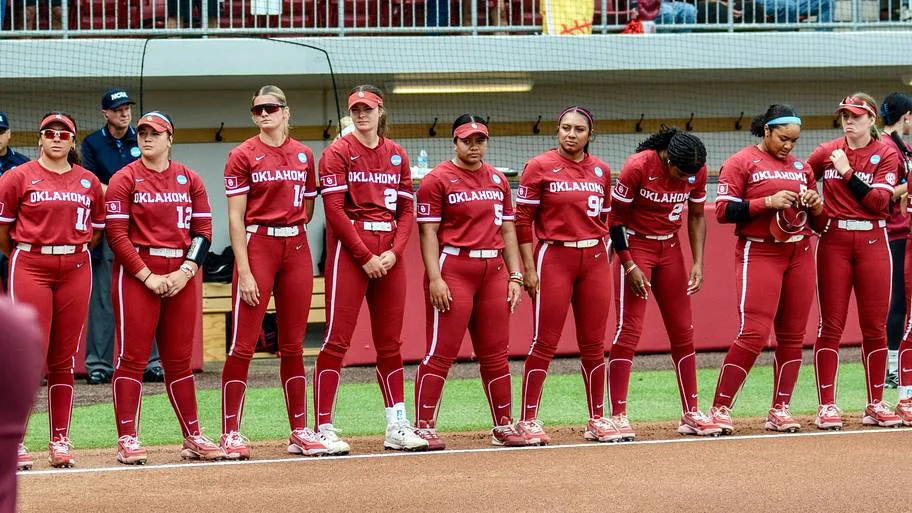
Introduction to Oklahoma Softball
Oklahoma softball has become one of the most recognizable names in college sports, attracting fans who appreciate outstanding athletic performance, competitive spirit, and a winning tradition. Representing the University of Oklahoma, the Sooners have built a reputation for excellence in NCAA Division I softball. Their success comes from a combination of talented players, experienced coaching, disciplined preparation, and a culture that encourages athletes to perform at their highest level.
For many fans, Oklahoma softball is more than a college team. It represents the excitement of championship competition and the importance of teamwork. From powerful home runs to spectacular defensive plays, the Sooners regularly demonstrate why college softball has such a passionate following. Their games attract students, alumni, families, and sports enthusiasts who enjoy watching talented athletes compete under pressure.
Whether you are a longtime supporter or someone discovering the sport for the first time, understanding Oklahoma softball means exploring its history, coaching philosophy, key players, playing style, and influence on college athletics. This guide covers the essential aspects of the program and explains why the Oklahoma Sooners remain an important name in women’s college softball.
The History and Growth of Oklahoma Softball
The University of Oklahoma Softball has developed a strong softball tradition through years of competition and investment in its athletic program. The Sooners have progressed from building a competitive team to becoming a major force in NCAA softball. Their journey reflects the development of the sport itself, as college softball has grown in popularity and attracted increasingly talented athletes from across the United States and beyond.
One of the defining features of Oklahoma softball is its consistent commitment to improvement. Successful seasons have helped establish high expectations for future teams, while championship appearances have strengthened the program’s national reputation. Each generation of players contributes to this tradition by bringing new skills, energy, and determination to the field.
The program’s championship success has also helped introduce more fans to women’s college softball. When a team performs consistently at a high level, its games become important events for supporters and aspiring athletes. Oklahoma Softball achievements have encouraged young players to follow the sport, study the team’s techniques, and consider competing at the collegiate level themselves.
Championship Success and National Recognition
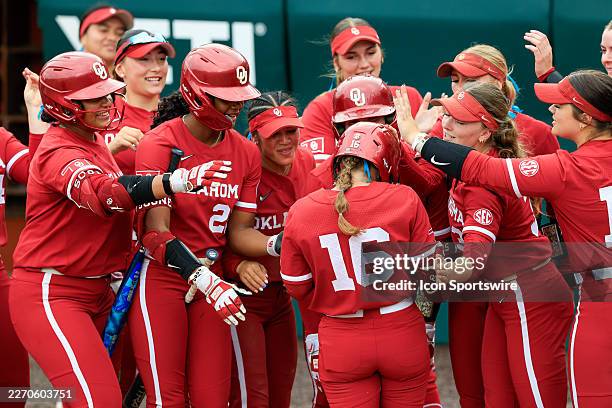
Oklahoma softball is particularly famous for its NCAA championship achievements. The Sooners have won multiple Women’s College World Series titles, establishing themselves among the most successful programs in the history of the sport. These accomplishments reflect more than individual talent; they demonstrate the value of preparation, strategic decision-making, and performing well when the stakes are highest.
Winning a championship requires a team to handle several challenges. Players must remain focused throughout a demanding season, respond to difficult opponents, and maintain their composure during close games. Pitchers need to execute their plans, hitters must recognize opportunities, and defenders must make routine plays consistently. Oklahoma Softball championship tradition illustrates how these individual responsibilities combine to produce team success.
National recognition also brings greater attention to the athletes and coaches who represent the university. Championship runs generate memorable moments, increase fan interest, and inspire younger generations of softball players. Although past success creates high expectations, every new season presents a fresh challenge. Opponents prepare carefully, rosters change, and the Sooners must continue developing if they want to remain among the nation’s leading teams.
The Role of Coaching in Oklahoma Softball
Coaching has played a central role in the development of Oklahoma softball. A successful coaching staff does much more than select a lineup or organize practices. Coaches establish standards, evaluate talent, develop game strategies, and help athletes understand how to perform under pressure. Their leadership can influence everything from individual confidence to the team’s overall identity.
Former head coach Patty Gasso has been especially important to the program’s modern success. Under her leadership, Oklahoma Softball became a dominant presence in college softball, earning multiple national championships and developing athletes who excelled at the highest collegiate level. Her approach emphasized preparation, accountability, competitiveness, and the mental strength required to succeed in difficult situations.
A strong coaching environment also helps players learn from mistakes. Softball is a game in which even excellent hitters fail regularly, and defensive errors can happen during important moments. Effective coaches help athletes respond constructively rather than allowing one difficult play to affect the rest of a game. This emphasis on resilience is an important part of building a team capable of competing for championships.
Key Players and Individual Contributions
Oklahoma softball has featured numerous standout athletes over the years. Players such as Jocelyn Alo, Keilani Ricketts, Lauren Chamberlain, and Jayda Coleman have become associated with memorable moments in the program’s history. Their contributions demonstrate the range of skills needed to build an elite college softball team, from dominant pitching and powerful hitting to athletic defense and aggressive baserunning.
Jocelyn Alo, in particular, earned widespread attention for her extraordinary home-run production and became one of the most recognizable hitters in NCAA softball. Her ability to generate power while delivering important offensive contributions made her a major part of Oklahoma Softball championship success. Athletes like Alo show how individual excellence can become even more valuable when combined with a coordinated team approach.
However, a successful softball roster requires far more than a few famous players. Pitchers, catchers, infielders, outfielders, utility players, and substitutes all contribute to the team’s performance. A dependable defensive play can be just as important as a home run, while a well-executed sacrifice bunt or a timely walk can change the direction of an inning. Oklahoma Softball strongest teams have benefited from athletes understanding and fulfilling their roles.
Offensive Strength and Batting Strategy
One of the most exciting aspects of Oklahoma softball is its offensive potential. The Sooners have frequently fielded lineups capable of producing runs through home runs, extra-base hits, aggressive baserunning, and timely contact. This variety makes an offense difficult to manage because opposing pitchers cannot focus exclusively on preventing one type of hit.
Successful hitting begins before the ball reaches the plate. Batters must study the pitcher’s delivery, recognize changes in speed, and determine whether a pitch is likely to enter the strike zone. They also need to understand the game situation. With runners on base, a hitter might prioritize advancing a teammate, while another situation may call for an aggressive attempt to drive the ball into the gaps.
Power hitting receives plenty of attention because home runs are dramatic and can change a game quickly. Nevertheless, strong offensive teams also value patience and consistency. Drawing walks, avoiding unnecessary strikeouts, and putting pressure on the defense can create scoring opportunities even when home runs are unavailable. Oklahoma Softball offensive reputation reflects the importance of combining power with smart, disciplined at-bats.
Pitching and Defensive Excellence
Pitching is one of the most important elements of competitive softball. A pitcher must combine control, movement, velocity, and strategic awareness to prevent opposing hitters from producing runs. Different pitches can force batters to change their timing or swing at less comfortable locations. The ability to adjust throughout a game is especially valuable when facing experienced hitters who quickly recognize predictable patterns.
Oklahoma Softball has benefited from standout pitchers throughout its history, including Keilani Ricketts and other athletes who helped establish the program’s championship identity. Strong pitching performances can create momentum by limiting scoring opportunities and giving the offense time to respond. Even when a pitcher allows a hit, maintaining composure and executing the next pitch can prevent a small problem from becoming a major inning.
Defense completes the picture. Infielders need quick reactions and accurate throws, while outfielders must judge the ball’s trajectory and cover significant ground. Catchers help manage the pitching strategy, control the running game, and communicate with their teammates. When pitching and defense work together, a team can remain competitive even during periods when its offense struggles to score.

